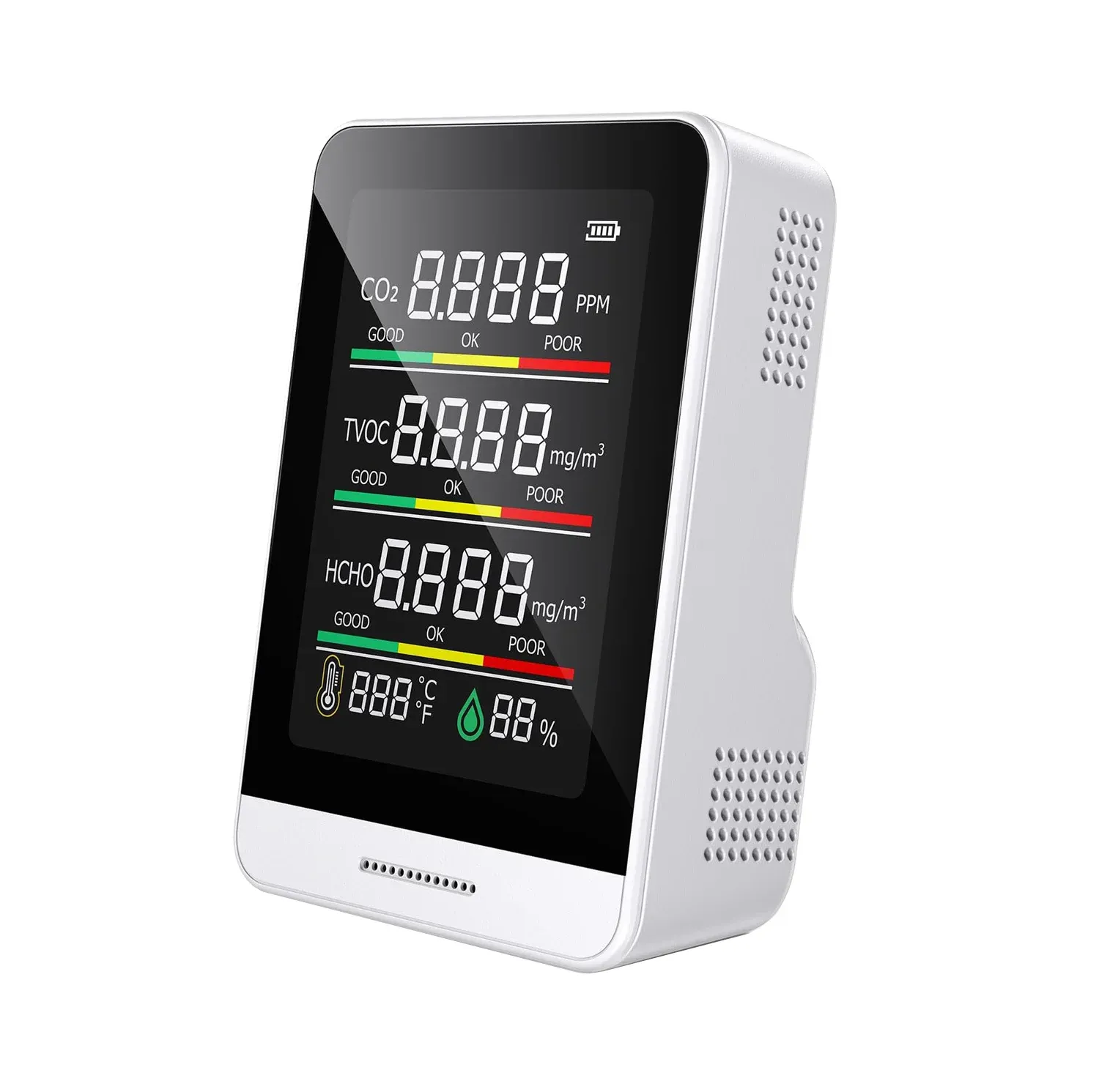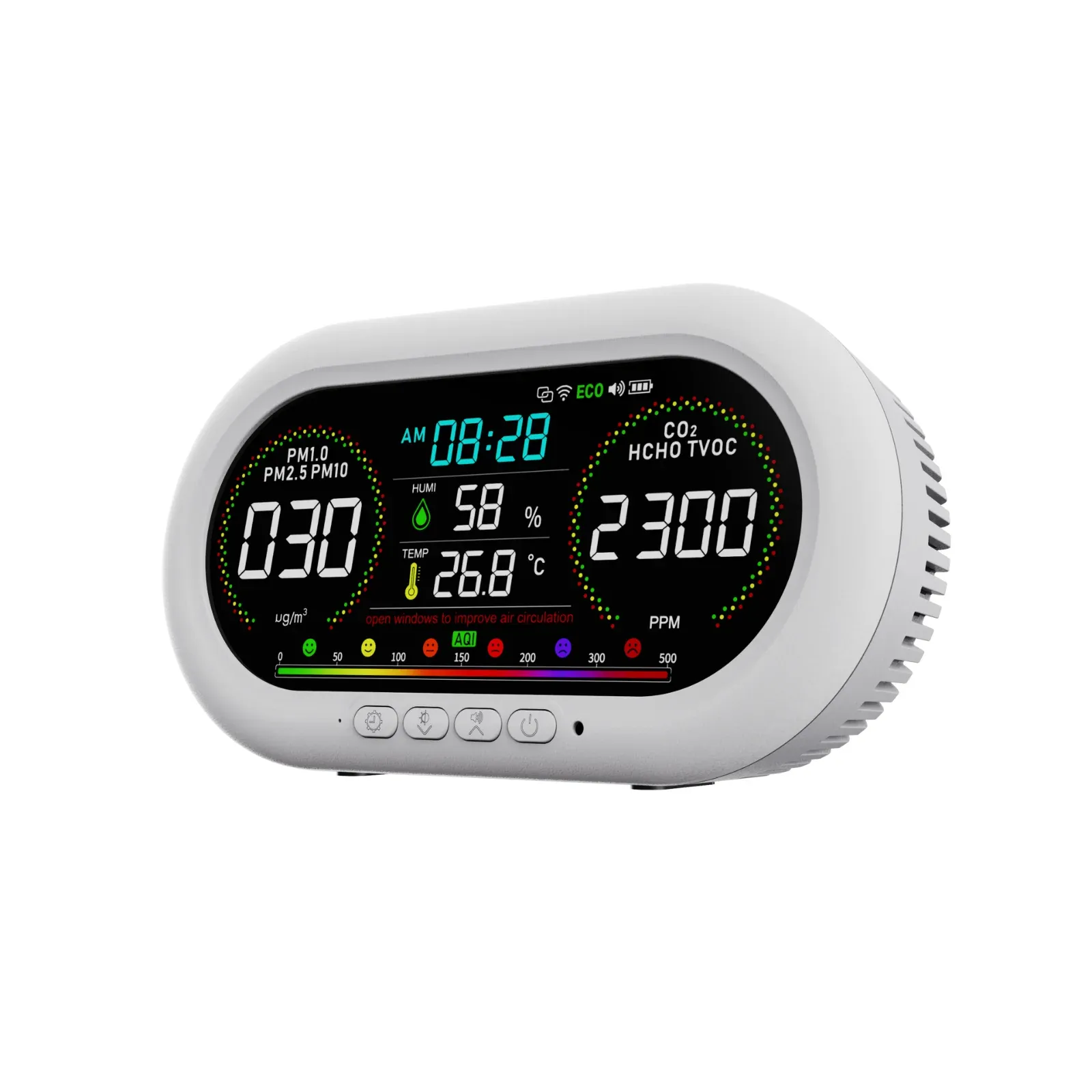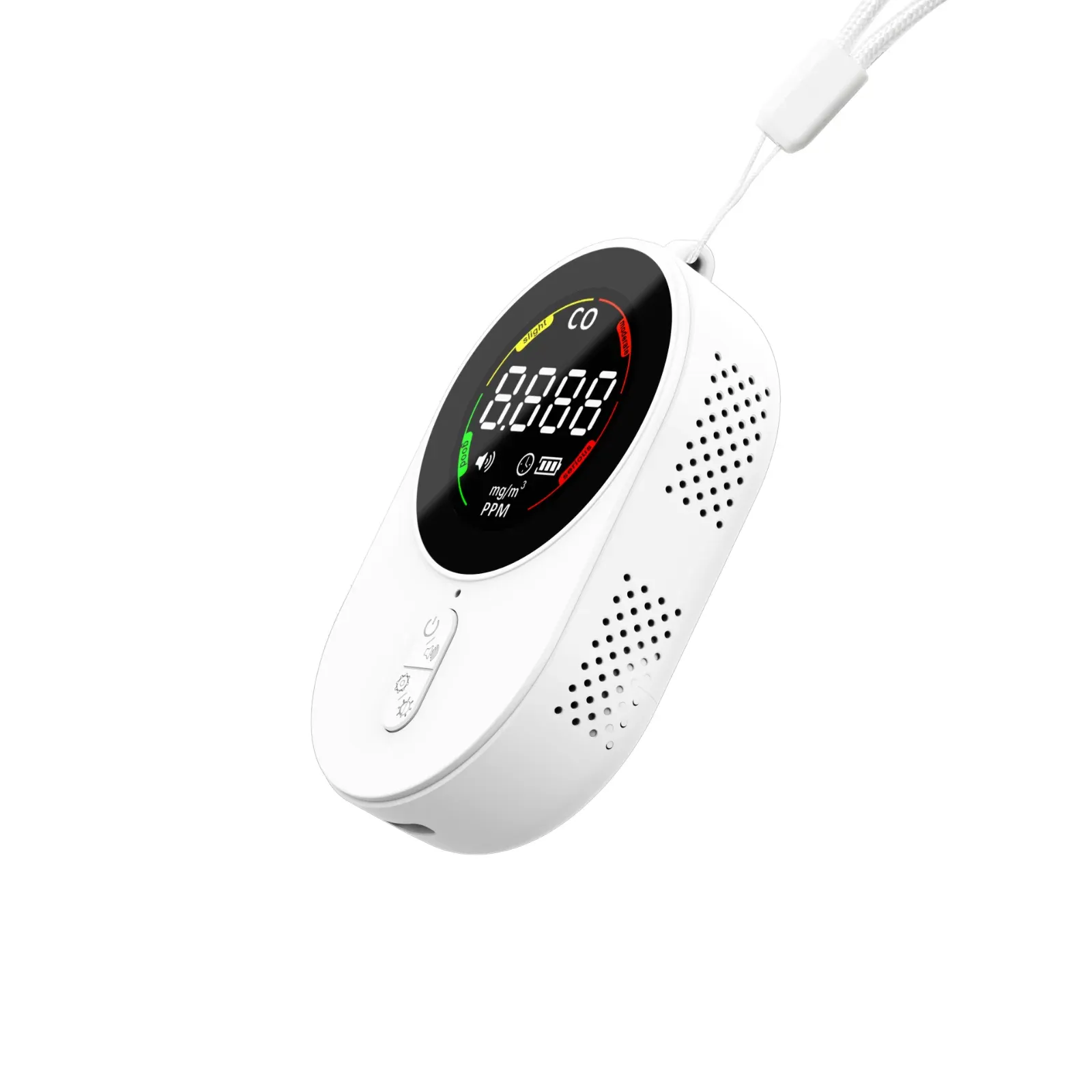


OEM: you bring the design
In an OEM programme you arrive with a finished specification — industrial design, electronics choices, sometimes an existing product to re-source. The factory industrialises and builds it under your brand.
You carry the design risk and own the design outcome. It fits brands with engineering capability in-house, or an existing product whose manufacturing needs a new home.
ODM: you start from a platform
In an ODM programme you start from one of the factory’s reference monitors and adapt it: the sensing set, the enclosure finish, the display logic, the firmware identity, the packaging. The platform’s engineering is already proven; your investment goes into differentiation.
This is the faster and cheaper path for most brands entering IAQ, because the expensive mistakes — sensor integration, calibration, enclosure acoustics — have already been made and fixed on someone else’s schedule.
How to pick in practice
- You have a finished design or existing product → OEM
- You have a brand and a market, not an engineering team → ODM
- You need to launch inside two quarters → ODM, almost always
- Your differentiation is the hardware itself → OEM; if it is the brand, the app or the channel → ODM
Either way, the white-label rule holds
Whichever path you take, the finished unit carries your identity: housing, display, app and box. Nothing on it points back to the factory. That discipline is what makes a manufacturing partnership safe for your channel.